New Construction in Port St. Lucie: Read the CDD Line Before You Fall for the Model
Let me tell you about the number nobody puts on the model home sign.
You walk in, the kitchen is gorgeous, the price is in range, the sales rep is lovely. Then a year later your first tax bill shows up with an extra line or two you didn't budget for. That's usually the CDD.
If you're searching new construction in Port St. Lucie, this is the one thing I want you to understand before you fall in love with a floor plan.
What a CDD actually is
A CDD is a Community Development District. It's a special district set up under Chapter 190 of Florida law, and it can pay for roads, water and sewer lines, ponds, and other infrastructure in a new community. Then the people who live there pay it back over time.
Here's how one Port St. Lucie district explains it. Tradition Community Development District 4 says owners pay annual assessments in two parts: operation and maintenance, and debt service on the bonds that paid for the improvements. It says those show up as two lines on your property tax bill, collected by the St. Lucie County Tax Collector.
So the CDD isn't a separate bill in your mailbox. It rides along with your property taxes as a non-ad valorem assessment, collected by the St. Lucie County Tax Collector. Tax notices go out on or before November 1 and become delinquent April 1.
The amount can change. Here's a real example.
CDD boards set their budgets every year. That means the operations piece can go up.
Lake Lucie CDD in St. Lucie County publishes its rates. For the Villages of Lake Lucie, the operations and maintenance assessment was $1,316.47 per ERU (the district's billing unit) for fiscal 2026 and $1,761.47 for fiscal 2027. The district also says owners can't pay off that operations assessment early, and they keep paying it as long as the district exists.
That's one district, not an average. Every community is different, which is exactly why you look up the specific one.
What the builder has to tell you
Florida law has your back here, if you know where to look.
- CDD disclosure. Section 190.048, Florida Statutes requires the initial sale contract for a home in a CDD to include a disclosure, in bold type larger than the rest of the contract, right before your signature. It says the district may levy taxes or assessments, that they're set annually, and that they're in addition to county and other local taxes.
- HOA disclosure. If there's also a homeowners association, Section 720.401 says you have to get a disclosure summary before you sign. If you don't, you can void the contract by written notice within 3 days after you receive it or before closing, whichever comes first.
A community can have both a CDD and an HOA. They are two different charges.
Your homestead exemption won't shrink the CDD
This one surprises people. Florida voters just passed Amendment 3, which raises the homestead exemption for non-school taxes starting in 2027. But the exemption reduces taxes on your home's assessed value. It doesn't erase "assessments for special benefits," according to the amendment text. CDD and other non-ad valorem lines are a separate part of the bill.
I break down what Amendment 3 means for new Floridians in today's journal post on kathy.stluciecoast.com.
How to check any new community before you tour
- Look up the district. The state keeps an Official List of Special Districts. You can build a custom list by county and by special purpose, and it links to each district's official website.
- Find the assessment page. Look for the current budget and the per-unit or per-lot rate. Write down both the operations piece and the debt piece.
- Pull a neighbor's tax bill. Find a finished home on the same street on the property appraiser's site and look at the non-ad valorem lines. That's the real number, not a brochure estimate.
- Ask the builder in writing: "What are the CDD operations and debt assessments for this lot, and what are the HOA dues?" Then compare their answer to steps 2 and 3.
- Put it in your monthly math. Divide the yearly CDD by 12 and add it to your mortgage, taxes, insurance, and HOA. If the house only works without it, it doesn't work.
Here's what I'd actually do
Don't walk into a model home alone the first time. The sales rep works for the builder, and that's fine, they're doing their job. You want someone on your side of the table who reads the contract, asks about the CDD, and helps you negotiate. There's more on how builder deals work on my new construction page.
And whatever incentive is on the table, get it in writing in the contract. A promise at the sales desk isn't a term in your deal.
When you're ready to look, you can search new construction and every active listing here, or start with the Port St. Lucie area page.
Want a second set of eyes?
If you've got a community or a specific lot in mind, send it to me. I'll pull the CDD, the HOA, and a neighbor's tax bill so you can see the real monthly number before you sign anything. No pressure, just clarity.
Sources (reopened November 15, 2026)
- Tradition Community Development District 4, About the District: https://traditioncdd4.org/
- Lake Lucie CDD, Assessments: https://lakeluciecdd.org/assessments/
- St. Lucie County Tax Collector, Ad Valorem Taxes / Non-Ad Valorem Assessments: https://fl-stlucietaxcollector.civicplus.com/167/Ad-Valorem-Taxes-Non-Ad-Valorem-Assessme
- Florida Statutes s. 190.048 (2026): https://www.flsenate.gov/Laws/Statutes/2026/190.048
- Florida Statutes s. 720.401 (2026): https://www.flsenate.gov/Laws/Statutes/2026/720.401
- CS/HJR 1-F (Amendment 3), enrolled text: https://www.flsenate.gov/Session/Bill/2026F/1F/BillText/er/PDF
- FloridaCommerce, Official List of Special Districts: https://www.floridajobs.org/community-development/community-planning/special-districts/special-district-accountability-program/official-list-of-special-districts
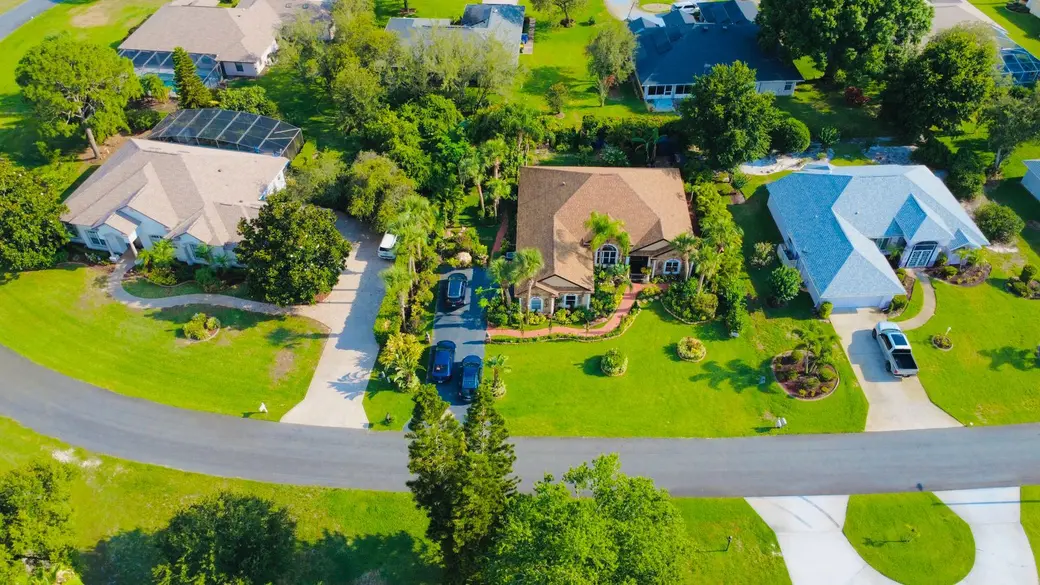
Photo: Chris The Island on Pexels (https://www.pexels.com/photo/aerial-view-of-residential-neighborhood-in-florida-32270915/)
Kathy Nicolas, REALTOR®, LPT Realty | FL License SL3566308
Categories
Recent Posts



 Agent License ID: SL3566308
Are you in the market for a new home or looking to make a smart real estate investment?
My name is Kathy, and I am a passionate realtor who is here to help you achieve your real estate goals. I believe in the power of owning and investing in real estate, and I am dedicated to helping you find your dream home, make a sound investment, or sell your property for top dollar. With a deep understanding of the real estate industry and a genuine desire to help others, I am committed to providing you with a seamless and stress-free experience. Let me help you achieve the financial stability, security, and peace of mind that you deserve. Contact me today to learn more about how I can assist you with all of your real estate needs.
+1(786) 642-2420 kathynicolasrei@gmail.com1400 S International Pkwy, Lake Mary, FL 32746
http://www.kathynicolashomes.com