
Renting in Port St. Lucie: What Rent Really Runs and What Florida Law Says About Your Deposit
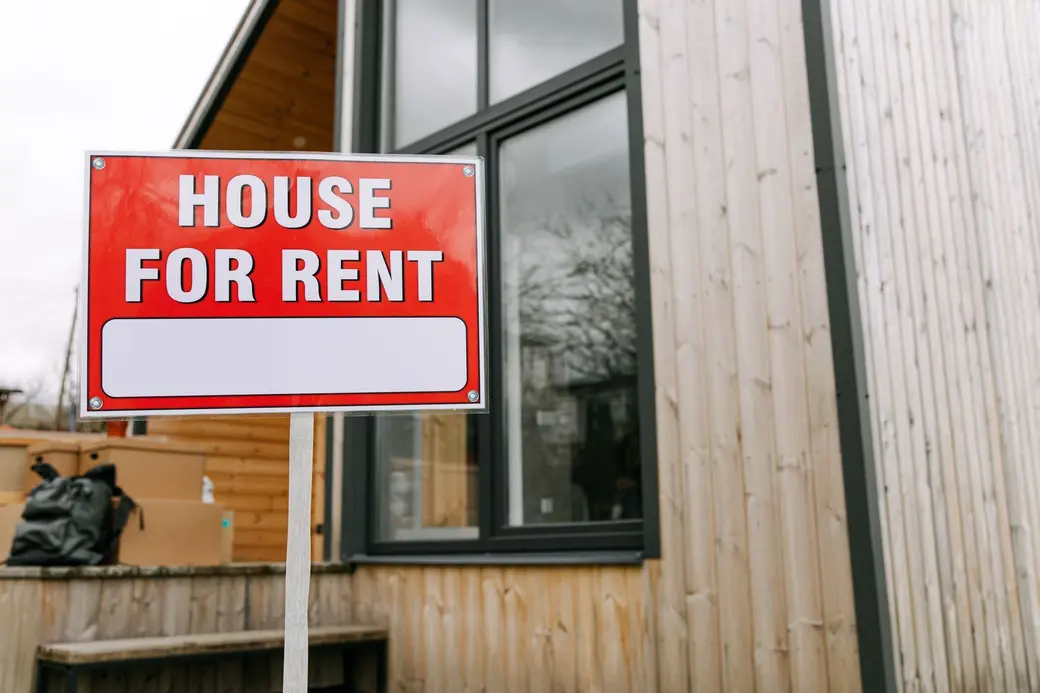
Whether you're relocating and want to rent first, or you're a local who needs a new place, here's the honest version of renting on the Treasure Coast.
We'll cover what rent actually looks like, what Florida law says about your deposit, and how to spot a fake listing before it costs you.
What rent looks like right now
Two official numbers give you a reality check before you start scrolling.
HUD's Fair Market Rents for 2026. HUD sets these as a benchmark for its housing programs. They aren't asking rents, but they're a solid sanity check. For the Port St. Lucie metro, which covers St. Lucie and Martin counties, HUD's FY 2026 schedule lists:
| Bedrooms | Port St. Lucie metro (St. Lucie + Martin) | Indian River County (Vero) | Palm Beach County |
|---|---|---|---|
| 1 BR | $1,467 | $1,222 | $1,901 |
| 2 BR | $1,757 | $1,604 | $2,254 |
| 3 BR | $2,421 | $1,956 | $2,920 |
The Census median. The U.S. Census Bureau puts median gross rent in the city of Port St. Lucie at $1,937 a month, based on 2020-2024 survey data (QuickFacts).
Here's the takeaway. If a three-bedroom house in a nice part of Port St. Lucie is listed way under these numbers, slow down. That's not luck. It's usually a scam, and I'll show you why below.
Your security deposit, Florida style
Florida's deposit rules are in Section 83.49, Florida Statutes. Here's what that means for you:
- Where the money goes. The landlord has to hold your deposit in a separate account at a Florida bank, or post a surety bond. They can't mix it with their own money.
- You get told in writing. The landlord has to give you written notice about your deposit, either in the lease or within 30 days of receiving it.
- When you move out with no claim: the landlord has 15 days to return your deposit.
- When they want to keep some of it: they have 30 days to send you written notice by certified mail or email, with the amount and the reason. If they miss that 30-day window, they lose the right to take a claim out of the deposit.
- You can push back. You get 15 days after receiving that notice to object in writing.
My advice: take a dated video of every room on move-in day, and email it to yourself and the landlord. It's the easiest win you'll ever get in a deposit dispute.
"No deposit" programs: read the fine print
Some landlords offer a monthly fee instead of a deposit. That's allowed under Section 83.491. But the landlord has to tell you in writing that you can choose a regular deposit instead, at any time. They also have to say whether that switch costs extra.
Two things to ask. First, does any of that fee ever come back to you? A regular deposit is yours to get back under the rules above. Second, what happens if you leave owing money? Under this law, the landlord has to notify you within 30 days after the lease ends about anything you owe. The law even lets the landlord's insurer seek reimbursement from you within a year after you move out. Do the math over a full lease before you pick the fee.
Other Florida rules worth knowing
- Month-to-month notice. Either side can end a month-to-month tenancy with at least 30 days' written notice before the end of a monthly period, under Section 83.57.
- Radon notice. Florida requires a radon disclosure on at least one document when you sign a lease, under Section 404.056. If you don't see it, ask.
How to spot a fake rental
The FTC says people reported nearly 65,000 rental scams since 2020, with about $65 million in losses (FTC Data Spotlight, December 2025). About half of the reports from the 12 months ending June 2025 said the scam started with a fake ad on Facebook.
Red flags straight from the FTC:
- They want an application fee, deposit, or first month's rent before you've seen the place in person.
- They won't meet you, but they'll send you a lockbox code for a "self tour."
- They ask for your Social Security number or a screenshot of your credit score before you've agreed to rent.
- The rent is way below what similar places nearby go for.
- You search the address and find it listed for sale, or listed again with a different price or contact.
That last one is easy. Search the address on the MLS here on my site before you send a dollar.
Here's what I'd actually do
- Decide annual vs seasonal first. They're priced and leased very differently.
- Use the HUD and Census numbers above as your gut check.
- Verify the owner. The county property appraiser's site shows who owns the home.
- Never pay by wire or cash app to someone you haven't met.
- Read the deposit section of the lease against the rules above.
I go deeper on annual vs seasonal and what landlords ask for in my rental guide. If you're renting first because you're still choosing between Port St. Lucie and the Space Coast, read my Port St. Lucie vs Palm Bay and Melbourne breakdown.
Want help finding the right rental?
Tell me your budget, move date, and must-haves, and I'll help you find something real and look over the lease with you. Just reach out.
Sources (reopened November 16, 2026)
- HUD, FY 2026 Fair Market Rent Schedule: https://www.huduser.gov/portal/datasets/fmr/fmr2026/FY2026_FMR_Schedule.pdf
- U.S. Census Bureau, QuickFacts (Port St. Lucie, Palm Bay, Melbourne), pulled Nov. 14, 2026: https://www.census.gov/quickfacts/fact/table/portstluciecityflorida,palmbaycityflorida,melbournecityflorida/PST045225
- Florida Statutes s. 83.49 (2026): https://www.flsenate.gov/Laws/Statutes/2026/83.49
- Florida Statutes s. 83.491 (2026): https://www.flsenate.gov/Laws/Statutes/2026/83.491
- Florida Statutes s. 83.57 (2026): https://www.flsenate.gov/Laws/Statutes/2026/83.57
- Florida Statutes s. 404.056 (2026): https://www.flsenate.gov/Laws/Statutes/2026/404.056
- FTC Data Spotlight, "Rental scams hit home with $65 million in reported losses" (Dec. 2025): https://search.ftc.gov/system/files/ftc_gov/pdf/rental-scams-spotlight-2025.pdf
Photo: Ivan S on Pexels (https://www.pexels.com/photo/a-house-for-rent-placard-8963081/)
Kathy Nicolas, REALTOR®, LPT Realty | FL License SL3566308
Categories
Recent Posts



 Agent License ID: SL3566308
Are you in the market for a new home or looking to make a smart real estate investment?
My name is Kathy, and I am a passionate realtor who is here to help you achieve your real estate goals. I believe in the power of owning and investing in real estate, and I am dedicated to helping you find your dream home, make a sound investment, or sell your property for top dollar. With a deep understanding of the real estate industry and a genuine desire to help others, I am committed to providing you with a seamless and stress-free experience. Let me help you achieve the financial stability, security, and peace of mind that you deserve. Contact me today to learn more about how I can assist you with all of your real estate needs.
+1(786) 642-2420 kathynicolasrei@gmail.com1400 S International Pkwy, Lake Mary, FL 32746
http://www.kathynicolashomes.com